Island Peak Climbing (6,189m / 20,305ft)
Trip Overview
Island Peak (6,189m) , also known as Imja Tse , standing proudly in the Khumbu region of eastern Nepal, is one of the most popular and rewarding trekking peaks in the Himalayas . Unlike the remote Hinku Valley approach of Mera Peak or the technical challenges of Baruntse, Island Peak offers climbers the unique opportunity to combine a summit attempt with the legendary Everest Base Camp trek , making it the perfect choice for trekkers who want to experience both the world's most famous trek and a genuine Himalayan climb .
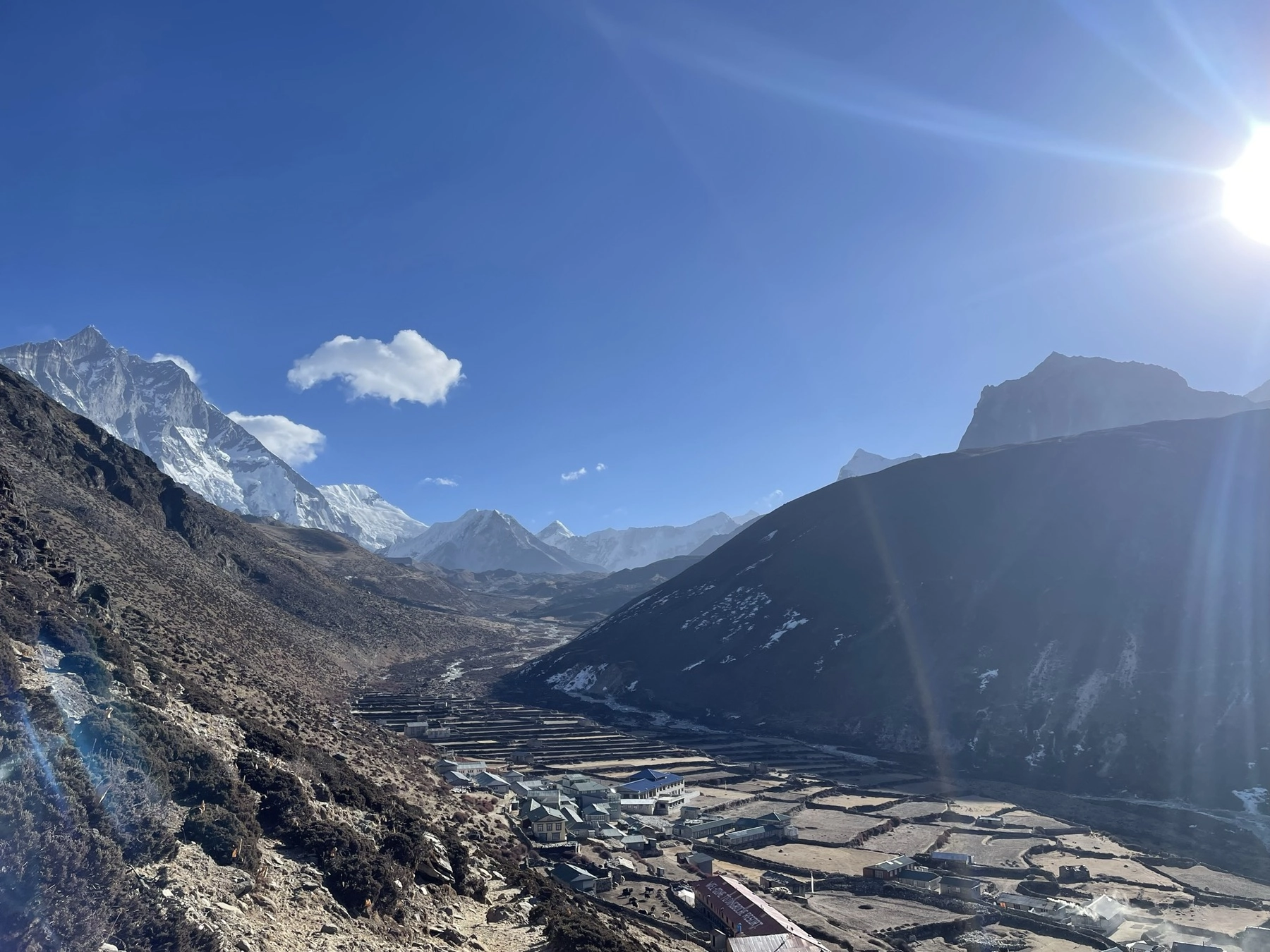
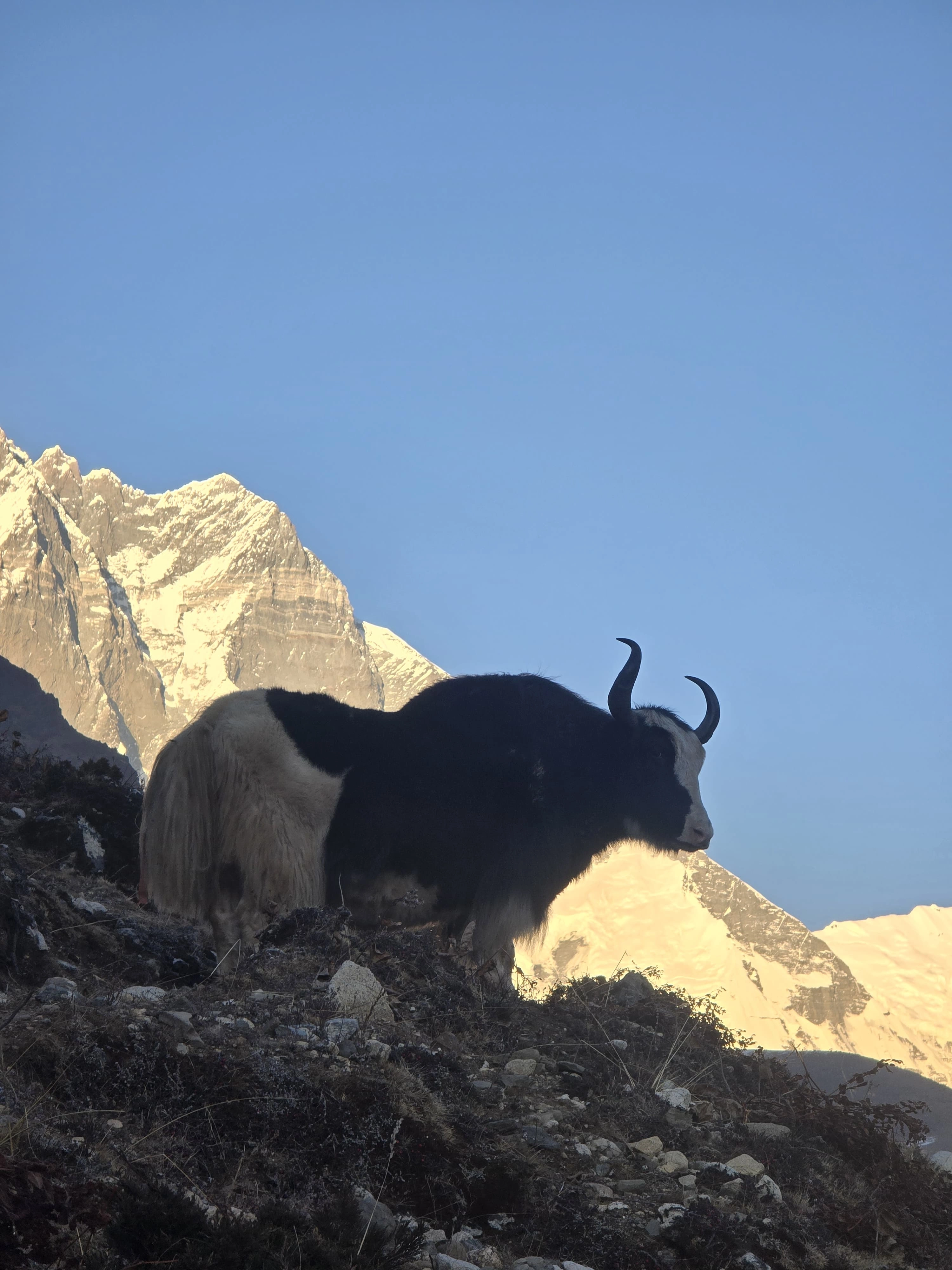
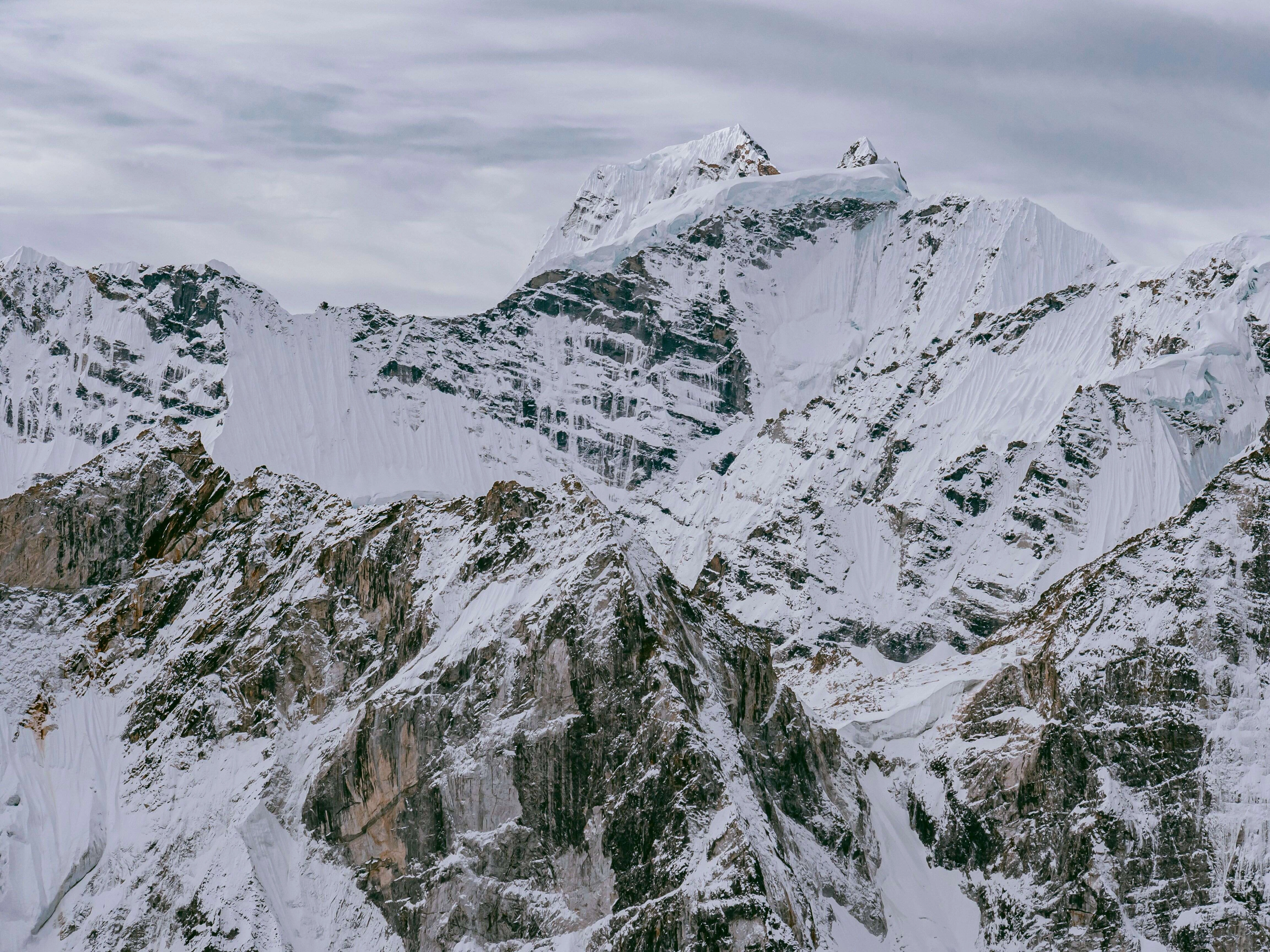
Located in the Imja Valley , directly beneath the towering south face of Lhotse (8,516m), Island Peak earned its name from its dramatic appearance — when viewed from Dingboche, the peak resembles an island rising from a sea of glacial ice . The mountain sits in the heart of the Everest region, surrounded by some of the highest peaks on Earth .
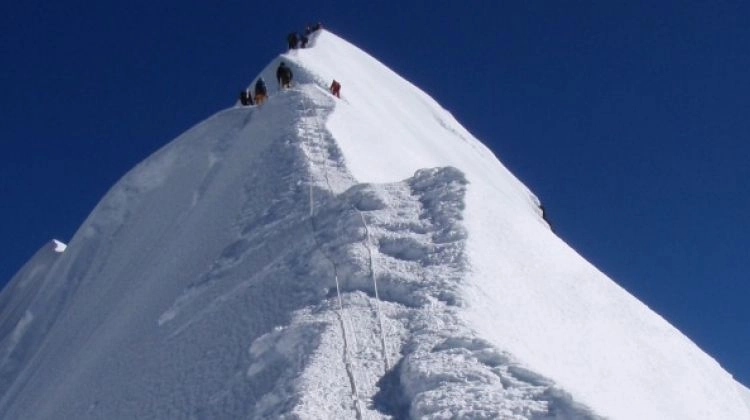
Island Peak is widely regarded as the perfect introduction to technical mountaineering . Unlike Mera Peak, which involves non-technical glacier walking, Island Peak requires climbers to ascend a steep headwall of ice (40-50 degrees) using fixed ropes, jumar ascenders, and crampons — providing invaluable experience for those preparing for higher peaks like Baruntse, Ama Dablam, or even Everest .
From its summit, climbers are rewarded with breathtaking panoramic views of Mount Everest (8,848m), Lhotse (8,516m), Makalu (8,463m), Ama Dablam (6,812m), and Baruntse (7,162m) — a sight that rivals any mountain viewpoint in the Himalaya . The iconic view of Lhotse's massive south face rising directly behind the summit ridge is one of the most photographed scenes in the region .
The peak was first climbed in 1953 by a British expedition team including Charles Evans, Alf Gregory, and Tenzing Norgay (who would summit Everest just days later) as part of their Everest reconnaissance . Originally named "Peak 38" or "Imja Tse," the mountain was later renamed Island Peak due to its distinctive setting . Since then, it has become a classic Himalayan climb, attracting thousands of climbers each year .
The journey begins in Kathmandu with permit processing and gear preparation before a scenic flight to Lukla (2,860m) , the famous gateway to the Everest region. From Lukla, the trek follows the classic Everest Base Camp trail, passing through Phakding, Namche Bazaar, Tengboche, Dingboche, and Chhukung — immersing climbers in Sherpa culture, ancient monasteries, and world-famous mountain views .
A unique feature of the Island Peak climb is the acclimatization ascent of Chhukung Ri (5,546m) , a non-technical peak that prepares climbers for altitude while offering stunning views of the summit route. From Chhukung , the trail leaves the main Everest circuit and enters the Amphu Labtsa valley , leading to Island Peak Base Camp nestled beneath the mountain's south face .
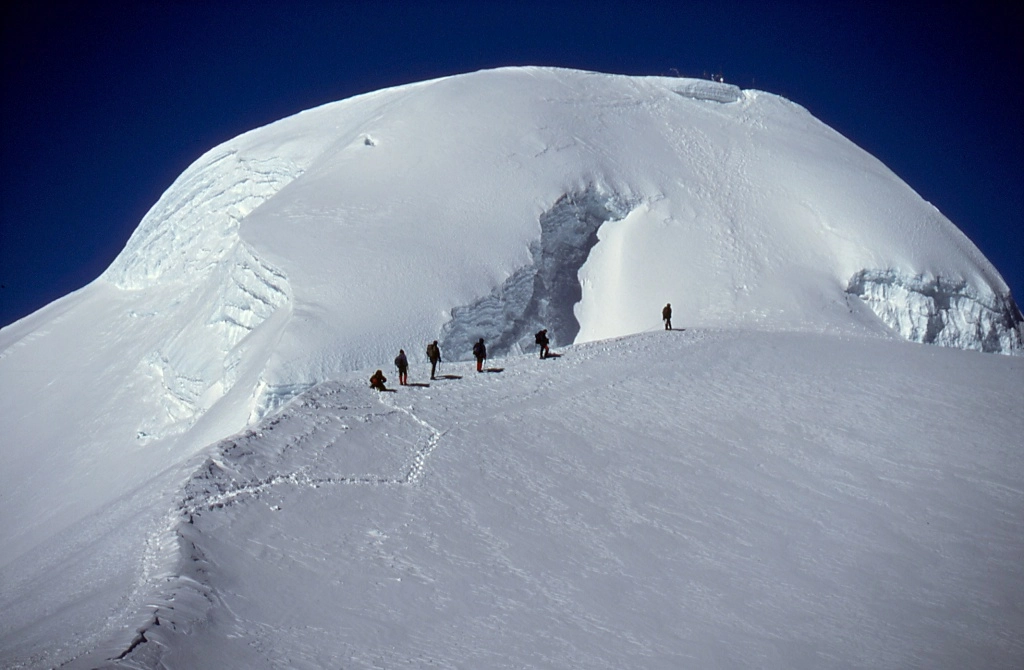
The climb itself involves glacier travel across the Imja Glacier , followed by a steep headwall of snow and ice (40-50 degrees) using fixed ropes. The final summit ridge is exposed but relatively short, culminating in a dramatic summit with views that stretch across the entire Khumbu region .
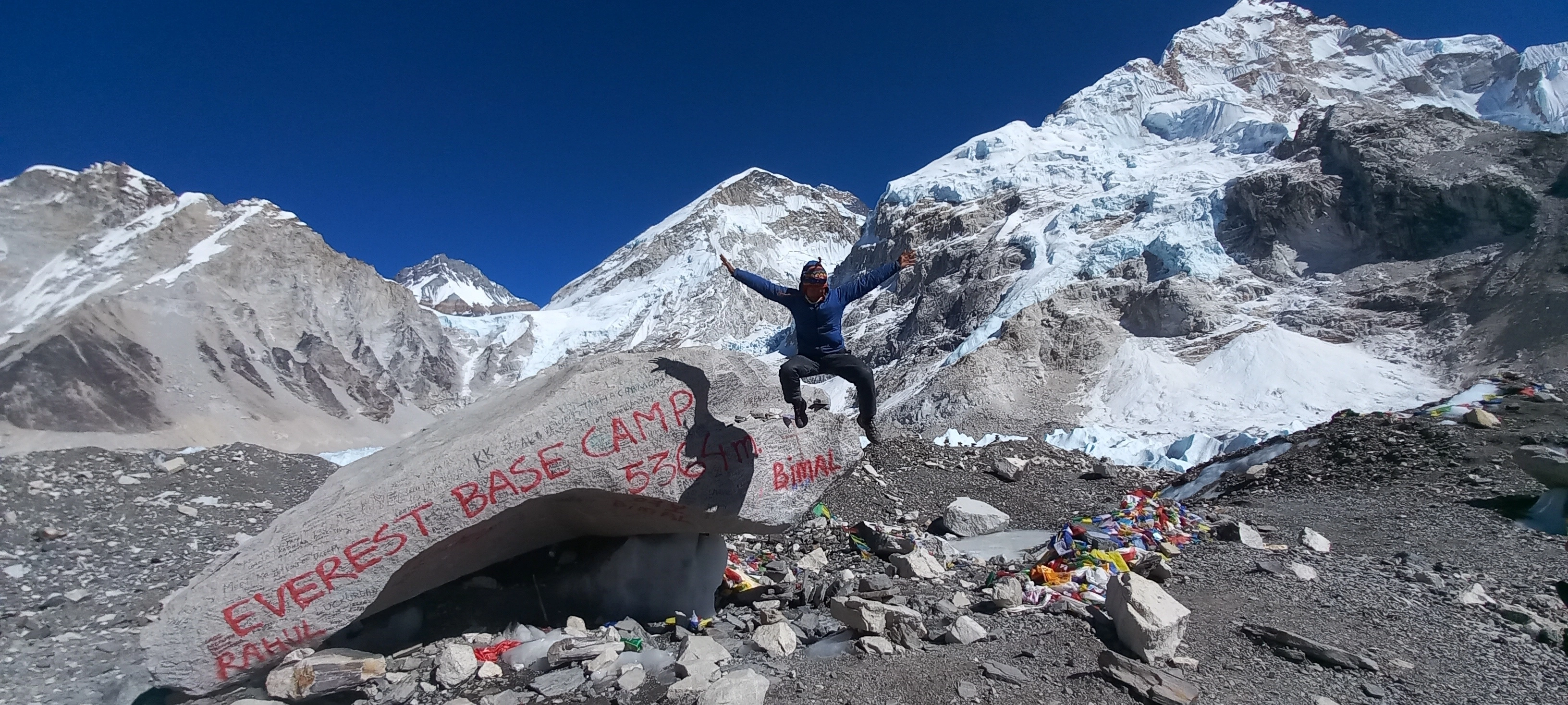
After the summit, climbers descend back to Base Camp and retrace their steps to Lukla, completing the full Everest Base Camp circuit . Many climbers choose to add the optional Everest Base Camp (5,364m) and Kala Patthar (5,545m) extension to their itinerary, creating the ultimate Khumbu experience .
Island Peak is widely regarded as the perfect stepping stone for climbers preparing for higher peaks like Baruntse, Ama Dablam, or 8,000-meter expeditions . It provides essential experience in fixed rope techniques, steep ice climbing, and high-altitude camping — all within the supportive environment of the Everest region .
Best Seasons to Travel
Spring (April to May) and Autumn (October to November) are the best seasons for Island Peak climbing, offering the most stable weather conditions and highest success rates .
Autumn (October to mid-November) is considered the prime season for Island Peak. Following the monsoon, the air is clear and crisp, providing spectacular mountain visibility. The trails are dry, the skies are blue, and temperatures are moderate but cold at higher elevations. The views from the summit during autumn are breathtaking, with Everest, Lhotse, and Ama Dablam standing in perfect clarity .
Spring (April to May) offers warmer temperatures and longer daylight hours. The lower elevations come alive with blooming rhododendrons, painting the hillsides in brilliant reds, pinks, and whites. Spring is also the busiest season on the Everest Base Camp trail, adding energy and camaraderie to the trek. Climbers should be prepared for softer snow conditions on the upper mountain .
Seasons to Avoid:
-
Winter (December to February): Extreme cold, deep snow, and frequent flight cancellations from Lukla make winter climbs challenging and potentially dangerous
-
Monsoon (June to September): Heavy rain and snow, slippery trails, limited mountain views, high risk of landslides and flight delays. Not recommended
Permit Costs:
| Season | Permit Cost (USD) |
|---|---|
| Spring (March-May) | $250 per person |
| Autumn (September-November) | $125 per person |
| Winter/Summer | $70 per person |
Note: Additional permits include Sagarmatha National Park entry fee (approx. USD 30) and Khumbu Pasang Lhamu Rural Municipality permit (approx. USD 20)
Notes to Travelers
This climb is suitable for trekkers with good physical fitness and previous high-altitude trekking experience (4,000m+) who want to experience their first technical Himalayan climb. Unlike Mera Peak, Island Peak requires climbers to ascend steep ice slopes using fixed ropes, making it more technically demanding .
Technical Requirements:
-
Competency with crampons and ice axe on steep terrain (40-50 degrees)
-
Ability to ascend fixed ropes using a jumar (ascender)
-
Experience rappelling with an abseil device
-
Previous trekking at altitude (4,000m+) is highly recommended
-
Prior climbing experience on Mera Peak or similar is beneficial but not mandatory
Physical Demands: The climb is physically demanding, with summit day involving 8-10 hours of steep climbing on snow and ice at extreme altitude. Climbers must be prepared for temperatures as low as -20°C to -30°C on summit day .
Success Rate: Island Peak has a moderate success rate (70-80%) , depending on weather conditions and climber preparedness . The steep headwall and altitude are the main challenges, but climbers with good fitness and proper acclimatization have excellent chances .
Acclimatization: The itinerary includes carefully planned rest days and the acclimatization climb of Chhukung Ri (5,546m) to prepare climbers for summit day. Following the classic Everest Base Camp trekking route provides natural altitude progression .
Permits Required:
-
Island Peak Climbing Permit (from Nepal Mountaineering Association)
-
Sagarmatha National Park Permit (approx. USD 30)
-
Khumbu Pasang Lhamu Rural Municipality Permit (approx. USD 20)
-
TIMS Card (Trekkers' Information Management System)
Travel Insurance: Comprehensive travel insurance covering high-altitude emergency evacuation (up to 6,500m) , helicopter rescue, and medical treatment is mandatory.
Guided Climb: Independent climbing permits are available but not recommended for first-time technical climbers. Most climbers book through a registered trekking operator with an experienced guide and support crew.
Inspiring Note
Island Peak is more than just a climb — it is the perfect gateway from trekking to technical mountaineering . From the bustling streets of Namche Bazaar to the tranquil beauty of Tengboche Monastery, from the prayer flags of Dingboche to the adrenaline of the final headwall, this journey will challenge your body, sharpen your skills, and fill your memory with images that will last a lifetime . Standing at 6,189 meters, with Lhotse's massive south face towering above you and Everest visible on the horizon, you will understand why so many climbers call Island Peak the "crown jewel of the trekking peaks." Whether you are a trekker looking for your next challenge or a future Everest climber taking your first technical steps, Island Peak welcomes you with open arms and rewards you with the climb of a lifetime .
Highlights
-
✅ Summit of Island Peak (6,189m / 20,305ft) – one of Nepal's most popular and rewarding trekking peaks
-
✅ Unbeatable panoramic views of Everest (8,848m), Lhotse (8,516m), Makalu (8,463m), Ama Dablam (6,812m), and Baruntse (7,162m)
-
✅ Technical climbing experience – steep ice slopes (40-50 degrees) using fixed ropes, jumar ascenders, and crampons
-
✅ Everest Base Camp trek combined – the world's most famous trek plus a Himalayan climb in one itinerary
-
✅ Kala Patthar (5,545m) – the best viewpoint for sunrise over Everest
-
✅ Chhukung Ri (5,546m) – acclimatization climb with spectacular summit views
-
✅ Tengboche Monastery – spiritual heart of the Khumbu region
-
✅ Namche Bazaar – the vibrant Sherpa capital with shops, bakeries, and mountain views
-
✅ Sherpa culture immersion – authentic village experiences and warm hospitality
-
✅ Rich climbing history – first ascent in 1953 by Tenzing Norgay and the British Everest reconnaissance team
-
✅ Perfect training peak – ideal preparation for Baruntse, Ama Dablam, or 8,000m expeditions
-
✅ Dramatic summit ridge – exposed ridge with Lhotse's south face towering behind
Fixed Departure Dates
Early booking recommended due to limited seats.
Itinerary
-
Day 1 : Arrived & Welcome in Kathmandu Airport (1,300m) – Transfer to Hotel
Elevation: 1,300 m
Activity: Upon landing at Tribhuvan International Airport, you will be greeted by trekking staff and transferred to a hotel in Kathmandu.
Highlights: Rest after your flight, organize last-minute gear, and meet fellow climbers.
-
Day 2 : Fly to Lukla (2,800m) – Trek to Phakding (2,800m)
Elevation: 1,300 m → 2,800 m → 2,800 m
Activity: Scenic morning flight to Lukla, the gateway to the Everest region. Meet trekking crew and begin short trek to Phakding along the Dudh Koshi River.
Highlights: Dramatic mountain flight into Lukla's famous airstrip. First views of the Khumbu peaks. Crossing suspension bridges over glacial rivers.
-
Day 3 : Phakding to Namche Bazaar (3,438m)
Elevation: 2,800 m → 3,438 m
Activity: Gradual ascent through pine and rhododendron forests, crossing the Hillary Suspension Bridge. Final steep climb into Namche Bazaar, the Sherpa capital.
Highlights: First glimpse of Mount Everest from the trail. Entering Sagarmatha National Park. Namche Bazaar's horseshoe-shaped village with shops, bakeries, and stunning mountain views.
-
Day 4 : Namche Bazaar – Acclimatization Day (3,438m)
Elevation: 3,438 m
Activity: Rest day with optional hike to Everest View Hotel (3,880m) or Syangboche Airport. Explore Namche's markets and visit the Sherpa Museum.
Highlights: Spectacular sunrise views of Everest, Lhotse, Nuptse, and Ama Dablam from the Everest View Hotel. Critical acclimatization before higher elevations. Cultural immersion in the Sherpa capital.
-
Day 5 : Namche Bazaar to Tengboche (3,870m)
Elevation: 3,438 m → 3,870 m
Activity: Trek along a high scenic ridge with breathtaking mountain views. Descend to Dudh Koshi River, then climb through rhododendron forests to Tengboche.
Highlights: Visit Tengboche Monastery, the spiritual heart of the Khumbu region. Stunning views of Ama Dablam and Everest. Blessings from monks for a safe climb.
-
Day 6 : Tengboche to Dingboche (4,360m)
Elevation: 3,870 m → 4,360 m
Activity: Descend through rhododendron forests to Deboche, cross the Imja River, then climb gradually to Pangboche and continue to Dingboche.
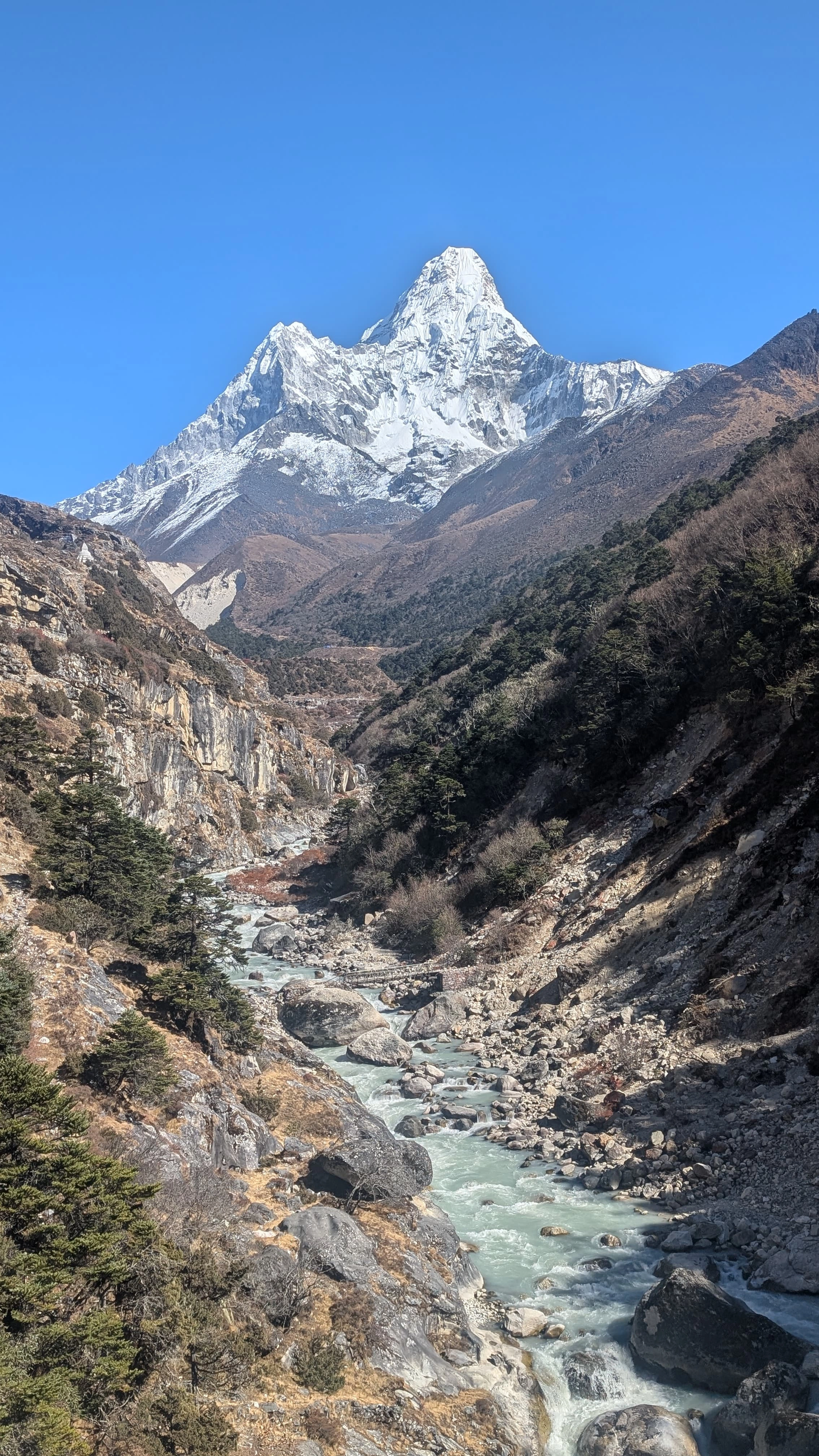
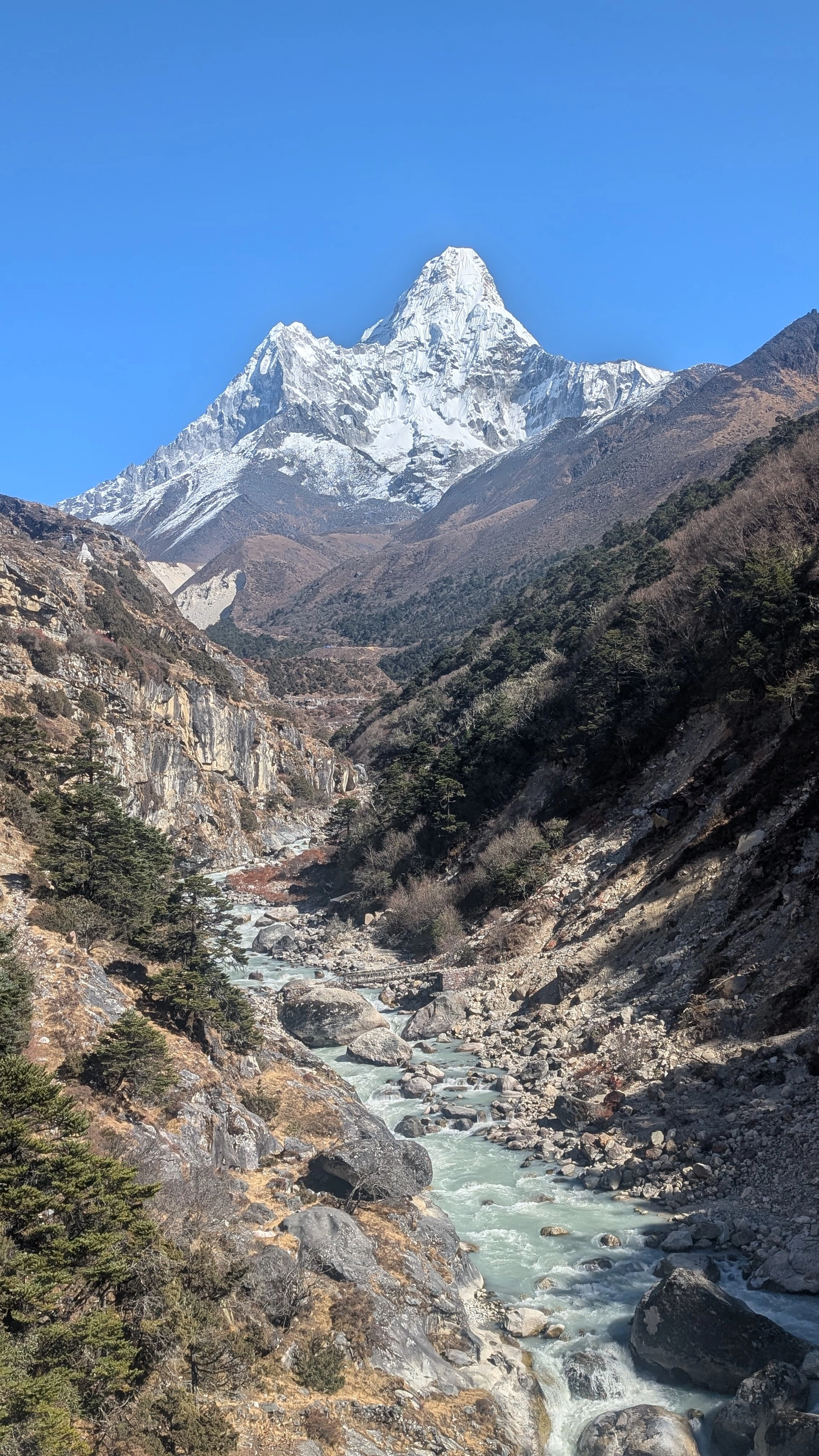
Highlights: Close-up views of Ama Dablam (6,812m). Traditional Sherpa villages with ancient monasteries. Entering the Imja Valley with views of Lhotse and Island Peak.
-
Day 7 : Dingboche to Lobuche (4,940m)
Elevation: 4,360 m → 4,940 m
Activity: Gradual ascent through the treeless alpine zone. Pass through Thukla and climb to the memorial ridge honoring climbers who lost their lives on Everest.
Highlights: Memorial chortens with views of Pumori, Nuptse, and Everest. Entering the high-altitude glacier zone. Sense of approaching Everest Base Camp territory.
-
Day 8 : Lobuche to Gorekshep (5,164m)
Elevation: 4,940 m → 5,164 m
Activity: Short trek across the Khumbu Glacier moraine to Gorekshep, the last settlement before Everest Base Camp.
Highlights: Walking alongside the Khumbu Glacier. First close views of the Everest massif. Arrival at Gorekshep, a desolate but dramatic outpost beneath Everest.
-
Day 9 : Gorekshep – Hike to Kala Patthar (5,545m) – Trek to Dingboche (4,360m)
Elevation: 5,164 m → 5,545 m → 4,360 m
Activity: Early morning hike to Kala Patthar for sunrise views of Everest. Descend back to Gorekshep for breakfast, then continue descent to Dingboche.
Highlights: 🌄 Kala Patthar (5,545m) – the best viewpoint for sunrise over Everest, Nuptse, and Lhotse. Unforgettable close-up of Mount Everest's southwest face. Celebration of reaching over 5,500m.
-
Day 10 : Dingboche to Chhukung (4,730m)
Elevation: 4,360 m → 4,730 m
Activity: Short trek up the Imja Valley to Chhukung, a small settlement surrounded by towering peaks including Ama Dablam and Lhotse.
Highlights: Stunning views of Island Peak rising directly ahead. Peaceful setting away from the main Everest trail. Preparation for the climb ahead.
-
Day 11 : Acclimatization – Climb Chhukung Ri (5,546m) – Return to Chhukung (4,730m)
Elevation: 4,730 m → 5,546 m → 4,730 m
Activity: Early morning ascent of Chhukung Ri, a non-technical peak offering spectacular acclimatization and views. Descend back to Chhukung for rest.
Highlights: 🏔️ Chhukung Ri (5,546m) – excellent training climb before Island Peak. Panoramic views of Island Peak, Lhotse, Makalu, and Ama Dablam. Critical acclimatization for summit day.
-
Day 12 : Chhukung to Island Peak Base Camp (5,200m)
Elevation: 4,730 m → 5,200 m
Activity: Trek from Chhukung into the Amphu Labtsa valley, following the Imja Glacier to Island Peak Base Camp, set on a grassy moraine beneath the mountain's south face.
Highlights: Arrival at Island Peak Base Camp. Puja ceremony performed by Sherpas for a safe and successful climb. Stunning views of the summit route and surrounding peaks.
-
Day 13 : Island Peak Base Camp – Island Peak Summit (6,189m) – Return to Base Camp (5,200m)
Elevation: 5,200 m → 6,189 m → 5,200 m
Activity: Early morning summit push (starting around 2-3 AM). Traverse the Imja Glacier, ascend the steep headwall of snow and ice (40-50 degrees) using fixed ropes, and reach the summit ridge with dramatic drop-offs on either side.
Technical Challenges:
-
Glacier travel with crevasses
-
Steep ice slopes (40-50 degrees) with fixed ropes
-
Exposed summit ridge
-
Altitude and cold (-20°C to -30°C)
Highlights: 🏔️ Summit of Island Peak (6,189m) – a true mountaineering achievement. Unobstructed views of Everest (8,848m), Lhotse (8,516m), Makalu (8,463m), Ama Dablam (6,812m), and Baruntse (7,162m). Sunrise from the summit lighting the highest mountains on Earth. Descent back to Base Camp for celebration.
-
-
Day 14 : Island Peak Base Camp to Pangboche (3,985m)
Elevation: 5,200 m → 3,985 m
Activity: Descend from Base Camp back to Chhukung, then continue down the Imja Valley to Pangboche.
Highlights: Easier breathing with lower altitude. Celebration with the climbing crew. Visit Pangboche Monastery, one of the oldest in the Khumbu region.
-
Day 15 : Pangboche to Namche Bazaar (3,438m)
Elevation: 3,985 m → 3,438 m
Activity: Continue descent through Tengboche and along the Dudh Koshi River back to Namche Bazaar.
Highlights: Last views of Ama Dablam and Everest. Hot showers, bakeries, and cold beers in Namche. Celebration with the trekking crew.
-
Day 16 : Namche Bazaar to Lukla (2,800m)
Elevation: 3,438 m → 2,800 m
Activity: Final day of trekking, descending through rhododendron forests and crossing suspension bridges back to Lukla.
Highlights: Last views of the Khumbu peaks. Farewell dinner with the trekking crew. Celebration of completing the trek and climb.
-
Day 17 : Fly to Kathmandu (1,350m) – Transfer to Hotel
Elevation: 2,800 m → 1,350 m
Activity: Morning flight to Kathmandu. Transfer to hotel. Rest of the day free for shopping, massage, or relaxation.
Highlights: Farewell to the mountains. Hot shower and soft bed in Kathmandu. Free evening to explore Thamel.
-
Day 18 : Final Departure
Elevation: 1,350 m
Activity: Transfer to Tribhuvan International Airport for your departure flight.
Highlights: Safe journey home. Lifelong memories of Island Peak summit and Everest views.
Cost Inclusion
- Airport transfers
- Return internal flight from Kathmandu to Lukla
- Accommodation in lodges/tea houses and tents
- Three meals per day
- Sagamartha National Park Fees
- Khumbu Pasanglhamu entry permit
- Sherpa guides (English speaking, trained in first aid)
- Porters and guide salary
- Staff rescue insurance
- Group climbing gear, e.g. ropes, ice screws, tents, cooking equipment, first aid kits
- Permit and camping costs for climbing Island Peak
Cost Exclusion
- International flight to Kathmandu
- Accommodation in Kathmandu.
- Meals and drinks in Kathmandu
- Personal costs like drinks, laundry, hot showers, bottled water
- Additional Lunch and dinner during the trek
- Trip Insurance
- Visa
- Tips for Guide and Poter ($200)
- Personal climbing equipment and clothing