Baruntse Expedition (7,162m)
Trip Overview
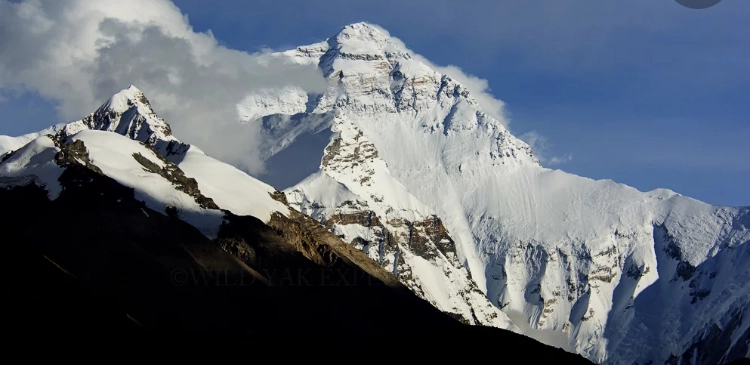
The Baruntse Expedition (7,162m) , crowned by four magnificent peaks, is one of the most rewarding and technically challenging 7,000-meter expeditions in the Nepalese Himalayas . Located in the Khumbu region of eastern Nepal, the mountain is bounded by the Hunku Glacier to the south, the Barun Glacier to the east, and the Imja Glacier to the northwest, placing it in the heart of the highest mountains on Earth.
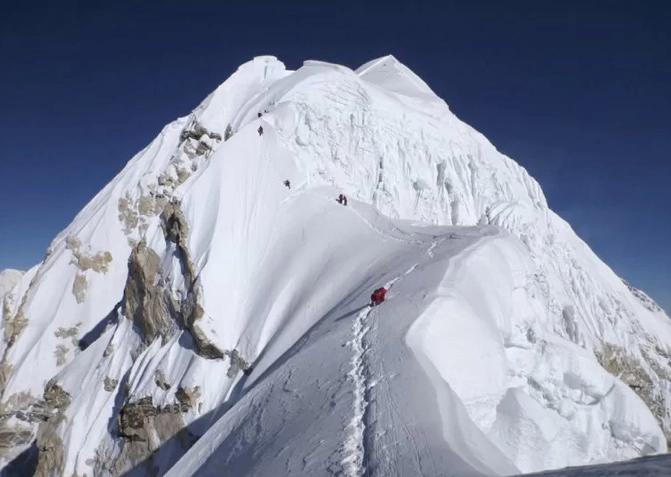
Baruntse is widely regarded as one of the best preparation peaks in the Himalayas for climbers readying themselves for eight-thousanders like Everest, Lhotse, and Makalu . However, this should not be mistaken for an easy climb — the mountain has a low success rate due to its technical difficulties, steep 50-degree ice slopes, and unpredictable weather conditions . Unlike the more straightforward Putha Hiunchuli, Baruntse demands genuine mountaineering competence.
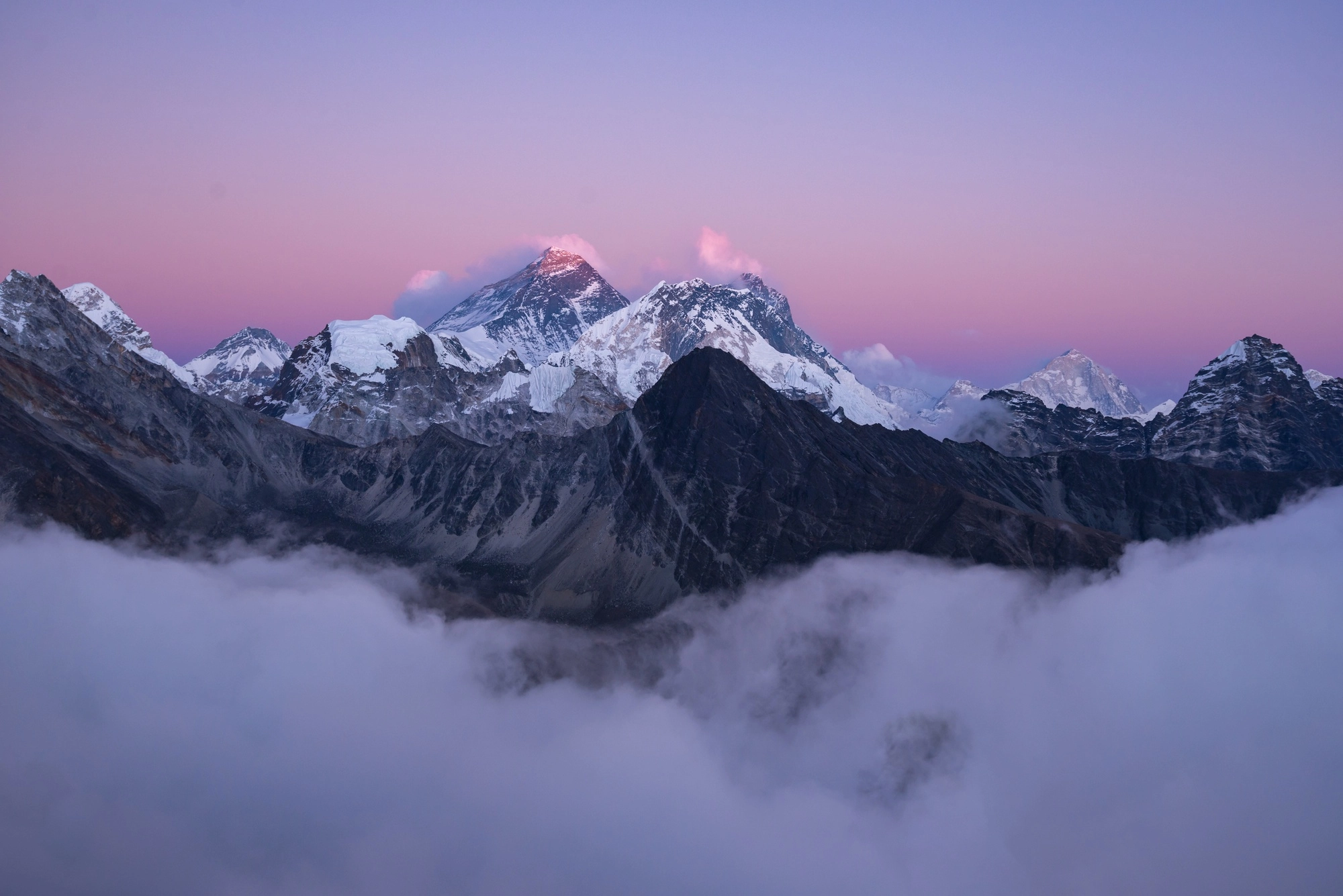
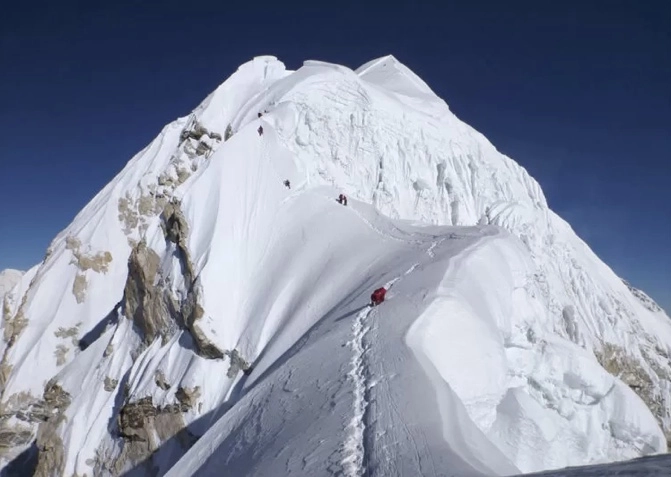
The expedition offers a rare opportunity to summit a stunning peak while enjoying breathtaking views of Mount Everest (8,848m), Lhotse (8,516m), and Makalu (8,463m) from its summit . The standard route follows the South-East Ridge, requiring climbers to navigate steep ice cliffs, crevassed glacier terrain, and exposed ridgelines .
The journey begins in Kathmandu with permit processing and gear preparation before a scenic flight to Lukla, the gateway to the Everest region. The trek to Base Camp takes approximately 8-10 days, passing through lush forests, picturesque Sherpa villages, and remote valleys . A notable feature of many Baruntse expeditions is the inclusion of Mera Peak (6,476m) as an acclimatization climb — Nepal's highest trekking peak — providing the perfect progression to build strength and altitude readiness before attempting Baruntse itself .
First climbed on May 30, 1954, by Colin Todd and Geoff Harrow as part of a New Zealand expedition led by Sir Edmund Hillary, Baruntse has since become a coveted objective for climbers seeking a genuine high-altitude challenge . The mountain has witnessed remarkable ascents, including the first ascent of the East Ridge in 1980 by a Spanish-American team, and the notable "Ciao Patrick" route (V+/VI M6+ 90°) on the northwest face by Simone Moro and Denis Urubko in 2004 .
After the summit push and descent, the expedition typically returns via the Amphu Lapcha Pass (5,845m) , completing an adventurous full circuit back to Lukla that takes in some of the best scenery Nepal has to offer .
Best Seasons to Travel
Spring (April to May) and Autumn (October to November) are the best seasons for the Baruntse Expedition, offering the most stable weather windows for a successful summit attempt .
Autumn (October to mid-November) is considered the "gold standard" for Baruntse expeditions. Following the monsoon, the air is clean and fresh, providing the most stable high-pressure systems and crystal-clear visibility. Consolidated snow offers firm footing and safer glacier conditions. The views from the summit during autumn are arguably the best in the world, with Everest, Lhotse, and Makalu standing tall beneath a brilliant blue sky .
Spring (April to May) offers warmer temperatures and longer daylight hours. While the valleys below 4,000 meters may be hazy due to dust, the skies clear above the Mera La. Spring is quieter than autumn and ideal for climbers sensitive to cold hands and feet. However, climbers should expect soft snow conditions, which can be physically tiring to walk through .
Seasons to Avoid:
-
Winter (December to February): Extreme cold reaching -40°C and high-speed jet stream winds make the summit ridge nearly impossible
-
Monsoon (June to September): Heavy snow accumulation, unstable slopes, poor visibility, and high avalanche risk; Lukla flights become unreliable
Permit Costs by Season:
-
Spring (March-May): USD 500 per person
-
Autumn (September-November): USD 250 per person
-
Winter/Summer: USD 125 per person
Notes to Travelers
This expedition is suitable for climbers with prior experience on 6,000-meter peaks (such as Island Peak, Mera Peak, or Lobuche East) and solid mountaineering skills. Baruntse is significantly more technical than Putha Hiunchuli and requires genuine proficiency with climbing equipment and techniques .
Technical Requirements:
-
Competency with crampons and ice axe on steep terrain (up to 50-65 degrees)
-
Proficiency in ascending fixed ropes using a jumar (ascender) and rappelling with an abseil device
-
Experience with roped glacier travel and crevasse navigation
-
The notorious ice cliff at approximately 6,800-7,000 meters presents a near-vertical wall of ice that tests skill and determination at extreme altitude
Physical Demands: The climb is physically demanding with summit days lasting 7-10 hours on exposed ridgelines at extreme altitude. Climbers must be prepared for temperatures as low as -30°C and high winds on the upper mountain .
Success Rate & Challenge: Despite being recommended as preparation for 8,000-meter peaks, Baruntse has a low success rate due to technical difficulties, steep slopes, and unpredictable weather conditions. The presence of three false summits along the route can be mentally taxing, as the summit appears closer than it actually is .
Acclimatization: The expedition includes a carefully planned acclimatization schedule, often featuring a summit attempt on Mera Peak (6,476m) before progressing to Baruntse. This progression builds strength, confidence, and altitude readiness .
Permits Required:
-
Baruntse Climbing Permit (from Nepal Mountaineering Association)
-
Makalu Barun National Park Permit (approx. USD 30)
-
Khumbu Pasang Lhamu Rural Municipality Permit (approx. USD 20)
Travel Insurance: Comprehensive travel insurance covering high-altitude emergency evacuation (above 6,000m) , helicopter rescue, and medical treatment is mandatory.
Guided Expedition: Independent climbing permits are not issued for Baruntse. You must book through a registered expedition operator with an experienced guide .
Inspiring Note
Baruntse is not just a climb — it is a true mountaineering adventure that stands as a gateway between trekking peaks and the world's highest mountains. It offers the rare combination of technical challenge, stunning alpine beauty, and the camaraderie of a full expedition experience. From the prayer flags of Lukla to the windswept summit ridge with Everest looming on the horizon, Baruntse will test your limits, build your skills, and reward you with memories that last a lifetime. For those who dream of Everest but want to earn their place in the high Himalaya, Baruntse is the perfect teacher.
Highlights
-
✅ Summit attempt of Baruntse (7,162m / 23,497ft) – a striking peak in the heart of the Khumbu
-
✅ Unbeatable summit views of Everest (8,848m), Lhotse (8,516m), and Makalu (8,463m)
-
✅ Mera Peak acclimatization (6,476m) – Nepal's highest trekking peak, included in many itineraries
-
✅ Technical challenge – steep 50° ice slopes, fixed ropes, ice cliffs, and glacier travel
-
✅ Remote and uncrowded – far fewer climbers than Everest or Ama Dablam
-
✅ Full circuit trek via Amphu Lapcha Pass (5,845m) – a spectacular alpine crossing
-
✅ Rich climbing history – first ascent by Sir Edmund Hillary's New Zealand expedition in 1954
-
✅ Wildlife encounters – snow leopard, red panda, and wild yak in Makalu Barun National Park
-
✅ Sherpa culture immersion – trek through traditional villages, monasteries, and prayer flag-lined trails
-
✅ Excellent 8,000m preparation – widely regarded as one of the best training peaks for Everest
Fixed Departure Dates
Early booking recommended due to limited seats.
Itinerary
-
Day 1 : Arrival in Kathmandu International Airport – Transfer to Hotel
Elevation: 1,300 m
Activity: Upon landing at Tribhuvan International Airport, you will be greeted by expedition staff and transferred to a hotel in Kathmandu.
Highlights: Rest after your flight, organize last-minute gear, and meet fellow climbers.
-
Day 2 : Preparation, Briefings & Half Day Sightseeing in Kathmandu
Elevation: 1,300 m
Activity: Complete expedition paperwork, attend briefings, and enjoy a half-day guided sightseeing tour of Kathmandu's UNESCO heritage sites.
Highlights: Visit Swayambhunath Stupa (Monkey Temple) or Kathmandu Durbar Square. Final gear check and team introductions.
-
Day 3 : Fly to Lukla (2,800m) – Trek to Chhutang (3,020m)
Elevation: 1,300 m → 2,800 m → 3,020 m
Activity: Scenic morning flight to Lukla, gateway to the Everest region. Meet trekking crew and begin trek to Chhutang.
Highlights: Dramatic mountain flight into Lukla's famous airstrip. First views of the Khumbu peaks.
-
Day 4 : Trek from Chhutang to Thuli Kharka (3,900m) via Zatrawa La Pass (4,610m)
Elevation: 3,020 m → 4,610 m → 3,900 m
Activity: Steep ascent to Zatrawa La Pass, followed by descent to Thuli Kharka. This is the most challenging day of the trekking phase.
Highlights: Panoramic views from the pass of Everest, Nuptse, and Ama Dablam (weather permitting). Sense of crossing into the high Himalaya.
-
Day 5 : Trek from Thuli Kharka to Kothe (4,095m)
Elevation: 3,900 m → 4,095 m
Activity: Gradual descent through rhododendron and pine forests into the Hinku Valley.
Highlights: Entering the remote Hinku Valley. Peaceful trails with few other trekkers. Views of Mera Peak appearing in the distance.
-
Day 6 : Trek from Kothe to Thangnak (4,350m)
Elevation: 4,095 m → 4,350 m
Activity: Steady ascent along the Hinku River, passing through alpine meadows and rocky terrain.
Highlights: Stunning views of the surrounding peaks. Wild Himalayan landscape. Arrival at Thangnak, a small settlement beneath the towering south face of Mera Peak.
-
Day 7 : Rest and Acclimatization Day at Thangnak (4,350m)
Elevation: 4,350 m
Activity: Complete rest day with optional short acclimatization hike to nearby ridges.
Highlights: Critical rest day for altitude adaptation. Short hike to gain a few hundred meters and return. Stunning views of Mera Peak's south face.
-
Day 8 : Trek from Thangnak to Khare (5,045m)
Elevation: 4,350 m → 5,045 m
Activity: Short but steep ascent to Khare, the traditional base camp for Mera Peak and the starting point for the Baruntse approach.
Highlights: Entering the high-altitude zone. First views of Baruntse in the distance. Preparation for the climbing phase begins.
-
Day 9 : Rest and Acclimatization Day at Khare (5,045m)
Elevation: 5,045 m
Activity: Rest day with training on fixed ropes, jumar ascenders, and ice axe techniques.
Highlights: Essential skills refresher before Mera Peak and Baruntse. Acclimatization hike to gain altitude and return. Team bonding and final gear preparation.
-
Day 10 : Trek to Mera La Pass (5,350m)
Elevation: 5,045m → 5,350m
Activity: Steady ascent to Mera La Pass, a high-altitude saddle with spectacular views.
Highlights: Camping at Mera La with 360° Himalayan vistas. Sunset and sunrise over Everest, Lhotse, Makalu, and Baruntse.
-
Day 11 : Trek to Seto Pokhari Camp (4,850m)
Elevation: 5,350 m → 4,850 m
Activity: Descend from Mera La to Seto Pokhari ("White Lake"), a beautiful glacial lake nestled in the mountains.
Highlights: Stunning turquoise waters of Seto Pokhari. Remote camping experience away from any settlements. Excellent acclimatization profile.
-
Day 12 : Trek to Baruntse Base Camp – Prepare Base Camp
Elevation: 4,850 m → ~5,400 m
Activity: Final approach to Baruntse Base Camp, set on the Hunku Glacier beneath the mountain's south face.
Highlights: Arrival at Baruntse Base Camp. Puja ceremony performed by Sherpas for a safe and successful climb. Stunning views of Baruntse's towering ice faces.
-
Day 13-25 : Climbing Period – Baruntse Summit (7,129m)
Elevation: 5,400 m → 7,129 m → 5,400 m
Duration: 13 days (flexible, weather dependent)
Activity: Acclimatization rotations, establishing high camps (C1 and C2), and summit push.
Typical Schedule:
Day Activity Day 13–14 Rest and acclimatization hikes from Base Camp Day 15–16 Climb to Camp 1 (~5,800m), return to BC Day 17 Rest at BC Day 18 Move to Camp 1 (~5,800m) – overnight Day 19 Climb to Camp 2 (~6,300–6,500m) – overnight Day 20 Summit Day – 7–10 hours from C2 to summit Day 21–22 Descent to BC, contingency days for weather Day 23–25 Extra buffer days for weather windows Technical Challenges:
-
Steep ice slopes up to 50–65 degrees
-
Fixed rope sections requiring jumar ascender use
-
High altitude and extreme cold (-20°C to -30°C)
-
Exposed summit ridge
Highlights: Sunrise from the summit over Everest (8,848m), Lhotse (8,516m), and Makalu (8,463m). Standing at 7,129m – a true high-altitude achievement.
-
-
Day 26 : Preparation to Return – Clean Base Camp – Trek to Seto Pokhari (4,850m)
Elevation: 5,400 m → 4,850 m
Activity: Break down and clean Base Camp. Pack all expedition gear and waste for responsible return. Trek back to Seto Pokhari.
Highlights: Responsible mountaineering – leaving no trace. Celebration tea at Seto Pokhari. Final views of Baruntse from a distance.
-
Day 27 : Trek to Mera La (5,350m)
Elevation: 4,850 m → 5,350 m
Activity: Re-ascend to Mera La Pass, retracing the inward route.
Highlights: Final night camping in the high Himalaya. One last panoramic sunset over Everest and Makalu.
-
Day 28 : Trek to Thangnak (4,356m)
Elevation: 5,350 m → 4,356 m
Activity: Descend from Mera La back to Thangnak in the Hinku Valley.
Highlights: Return to lodge accommodation. Hot food and warm hospitality. Relief of lower altitude.
-
Day 29 : Trek to Thuli Kharka (3,900m)
Elevation: 4,356 m → 3,900 m
Activity: Continue descent through the Hinku Valley to Thuli Kharka.
Highlights: Beautiful forest trails. Last views of Mera Peak.
-
Day 30 : Trek from Thuli Kharka to Lukla (2,800m)
Elevation: 3,900 m → 2,800 m
Activity: Final day of trekking, descending through rhododendron forests to Lukla.
Highlights: Celebration with trekking crew. Last views of the Khumbu peaks. Farewell dinner in Lukla.
-
Day 31 : Fly from Lukla to Kathmandu – Free Day
Elevation: 2,800 m → 1,300 m
Activity: Morning flight to Kathmandu. Transfer to hotel. Rest of the day free for shopping, massage, or relaxation.
Highlights: Farewell to the mountains. Hot shower and soft bed in Kathmandu. Free evening to explore Thamel.
-
Day 32 : Rest Day, Debriefing & Evening Farewell Dinner
Elevation: 1,300 m
Activity: Rest and recover from the expedition. Afternoon debriefing session with your guide. Evening farewell dinner hosted by the expedition company.
Highlights: Summit certificate presentation. Share stories and photos with the team.
Cost Inclusion
- All arrival and departure transfers to and from airport both domestic and international.
- 4 Nights 3 star category Hotel accommodations in Kathmandu on BB Plan as per itinerary.
- 1:1 experienced private climbing Sherpa guide during trek and climb (Previous Summiteer).
- Flight Tickets for KTM -Lukla with two-way transportation from Kathmandu.
- Complete camping setup with dining & kitchen tents, chairs and tables in Advance Base Camp.
- Necessary shower and toilet tents, individual member tents in ABC.
- High altitude meal and tents for member & Sherpa sharing in Camp 1.2, & 3.
- Solar panel/generator for light and battery charge in Advance Base Camp.
- Three meals a day (BLD-tea-coffee) and twin sharing teahouse accommodation during trek.
- Freshly cooked 3 meals (BLD), tea or coffee by Snowy professional cookin Advance Base Camp.
- 40 kg personal baggage while trekking up and 30 kg while down carrying by porter.Expedition royalty and climbing permit for climbing Mt. Baruntse (7129m).
- Fully paid government appointed liaison officer in the team.
- Necessary kitchen staffs and camp manager in sharing plan at ABC.
- Medical, accidental, and search and rescue Insurance for all involved local staffs.
- All rope fixing and icefall management charges levied in the Expedition.
- Emergency oxygen mask and regulator in ABC for medical purpose only.
- Satellite phone in ABC available for members with the cost of US$ 5 per minute call.
- First Aid medical kits for the Group and the staffs.
- Free assistance service for cargo and duty clearance in domestic flights.
- Our service charge and government taxes levied in Nepal.
- Complete pre-departure information for the expedition.
- Farewell Dinner in a typical Nepali restaurant with domestic culture show in Kathmandu.
Cost Exclusion
- Lunch and Dinner during your stay in Kathmandu (except farewell dinner).
- Items of personal nature, laundry expenses and personal climbing gears.
- Expenses by usage of landlines, mobiles, walkie-talkies or satellite phone and Internet.
- Clothing, packing items or bags, personal medical kit, camera/video fees or trekking gears.
- Any extra expenses arising out of various/unforeseen situations like natural calamities, landslides, political disturbances, strikes, change in Government regulations, etc.
- Any additional staff other than specified.
- Summit bonus to climbing Sherpa up to camp 4 and above (Minimum US$ 1000.00).
- Tips for Base Camp Staffs (US$ 150 is mandatory in total per member)
- Rescue, medicines, medical tests and hospitalization expenses of the member.
- Medical and travel Insurance with helicopter search and rescue.
- Permits for walkie-talkies & filming if special camera.
- Nepal custom duty for import of expedition goods.
- Any other item not mentioned in “THE PACKAGE COST INCLUDES” section
Expedition Gallery
Related Packages