Nar Phu Valley Trekking: The Ultimate Adventure Guide
KATHMANDU, Nepal: Few trekking experiences in the Himalayas remain as untouched, mysterious, and authentic as the Nar Phu Valley Trek. Hidden between the legendary Annapurna and Manaslu mountain ranges, this restricted-region adventure offers something increasingly rare in modern trekking true wilderness and isolation.
While thousands of trekkers follow the busy trails to Everest Base Camp and Annapurna Circuit each year, only a limited number of travelers are permitted to enter the remote Nar and Phu valleys. The reward is extraordinary: ancient stone villages preserved in time, centuries-old monasteries, dramatic canyons, hidden sky caves, and breathtaking Himalayan panoramas dominated by peaks like Himlung Himal (7,126m), Kang Guru, and Annapurna II.
The Nar Phu Valley Trek is more than just a mountain journey; it is a deep cultural and wilderness experience. The trails pass through isolated Tibetan-influenced communities where traditional lifestyles, language, and customs remain largely unchanged for generations. Unlike Nepal’s more commercial trekking routes, Nar Phu still delivers the feeling of genuine exploration and discovery.
Gateway to the Forbidden Valley
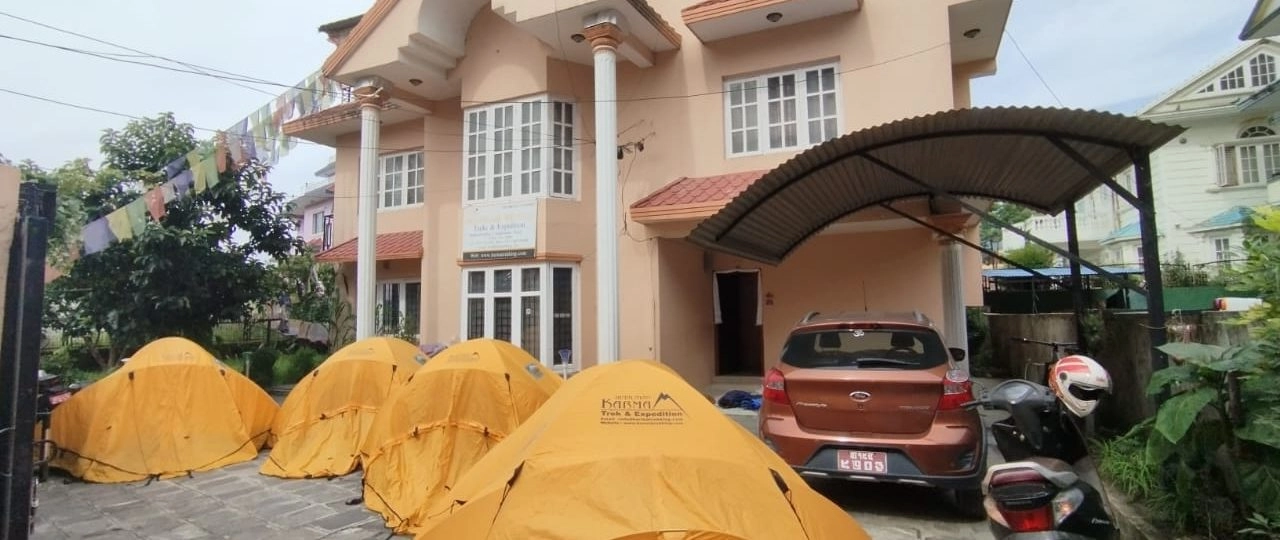
The adventure begins with a scenic yet rugged drive from Besisahar to Koto (2,600m), the official gateway to the restricted Nar Phu region. Here, trekking permits are checked before the trail leaves behind the busy Annapurna Circuit and enters one of Nepal’s most isolated Himalayan valleys.
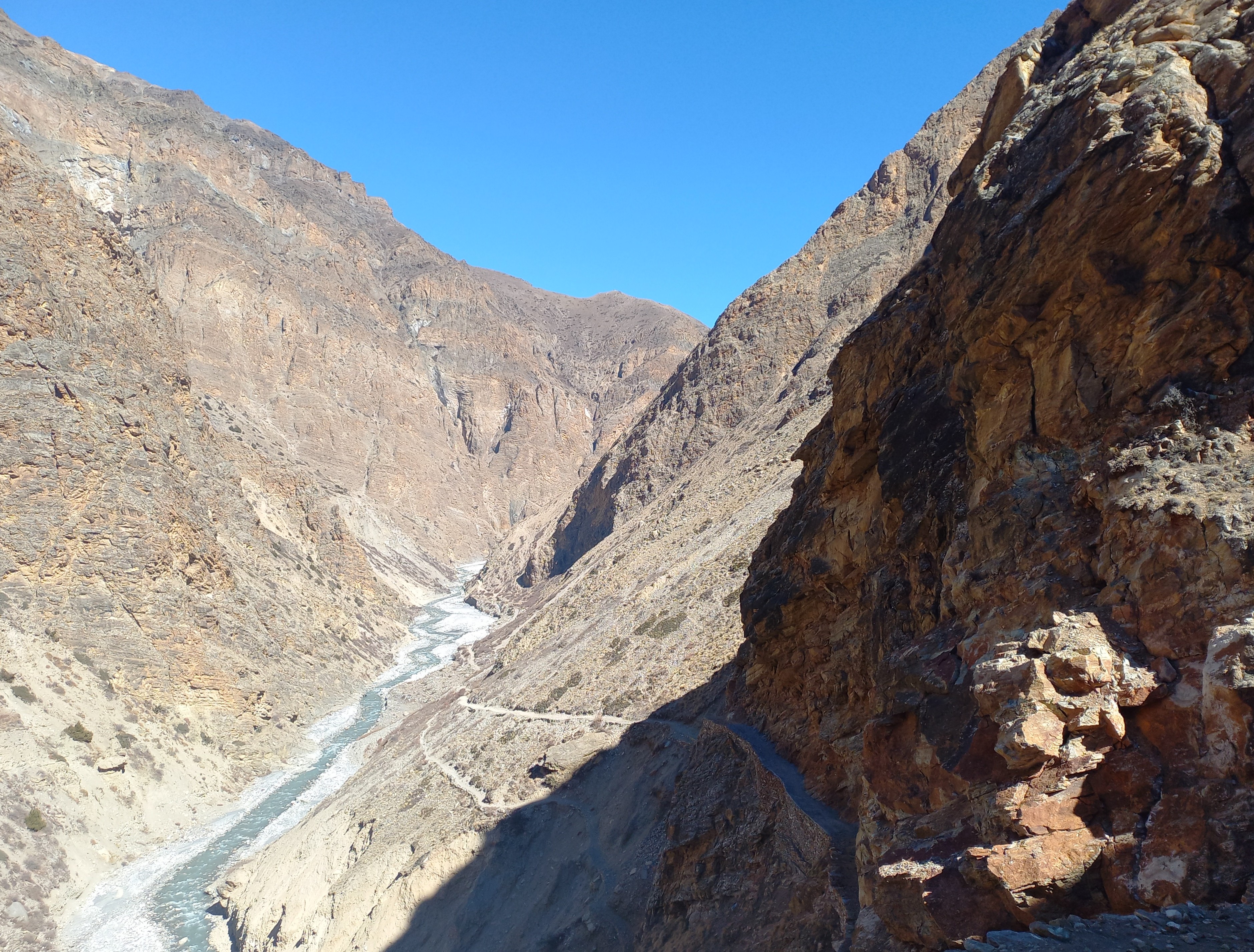
From the very first steps beyond Koto, the atmosphere changes dramatically. Dense pine forests, deep river gorges, suspension bridges, and narrow canyon trails replace the crowded trekking routes found elsewhere in Nepal. The sound of the roaring Phu Khola River echoes through the valley while snow-covered Himalayan peaks rise high above the cliffs.
As the trail advances deeper into the hidden valley, trekkers pass ancient mani walls, Buddhist prayer stones, abandoned fortresses, and centuries-old Tibetan-style settlements untouched by modernization. The remoteness and silence of the region create a powerful sense of exploration rarely experienced on popular trekking trails.
This section of the journey truly marks the transition from ordinary trekking into a remote Himalayan expedition filled with culture, wilderness, and discovery.
Meta: The First Himalayan Village
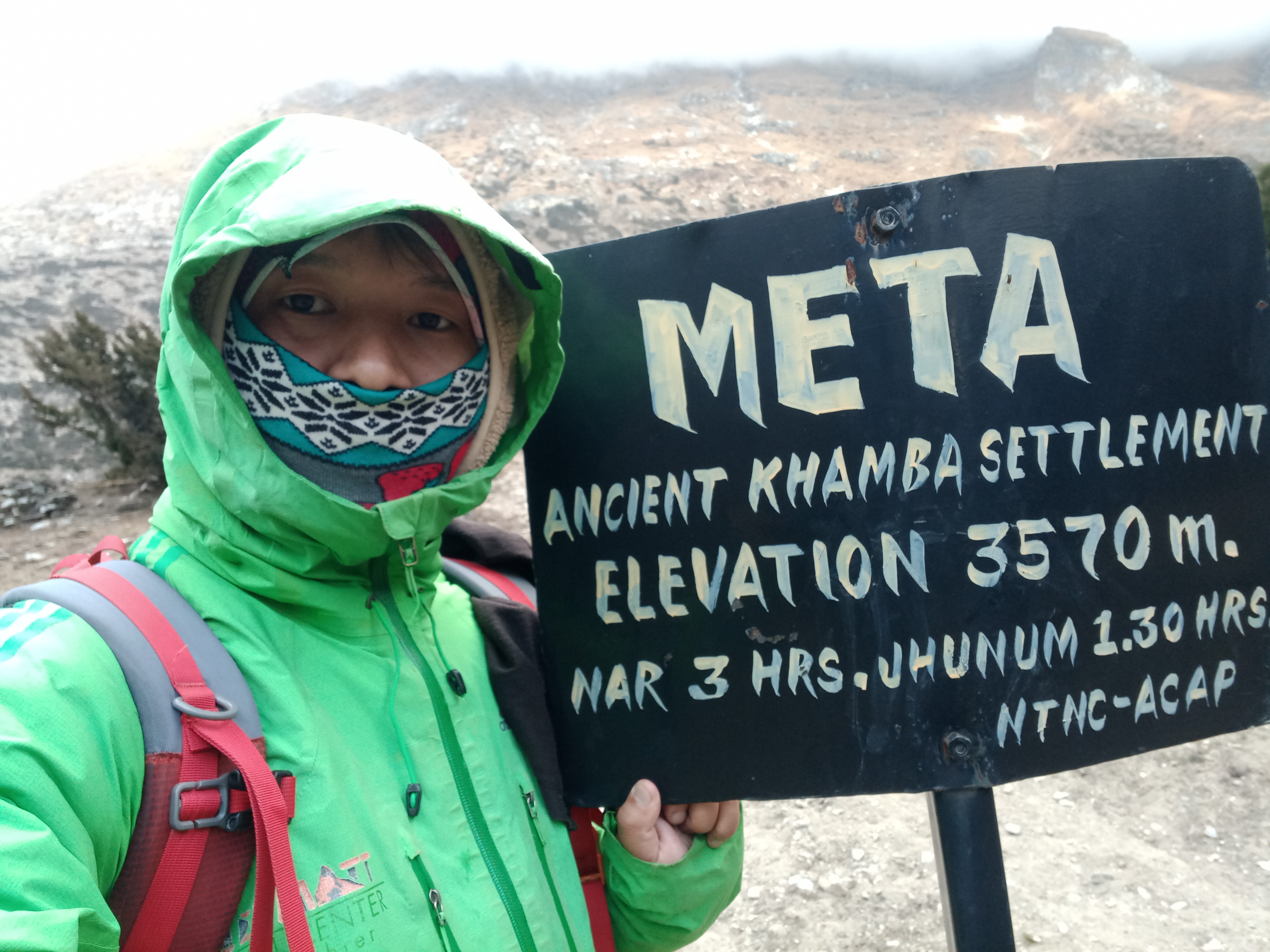
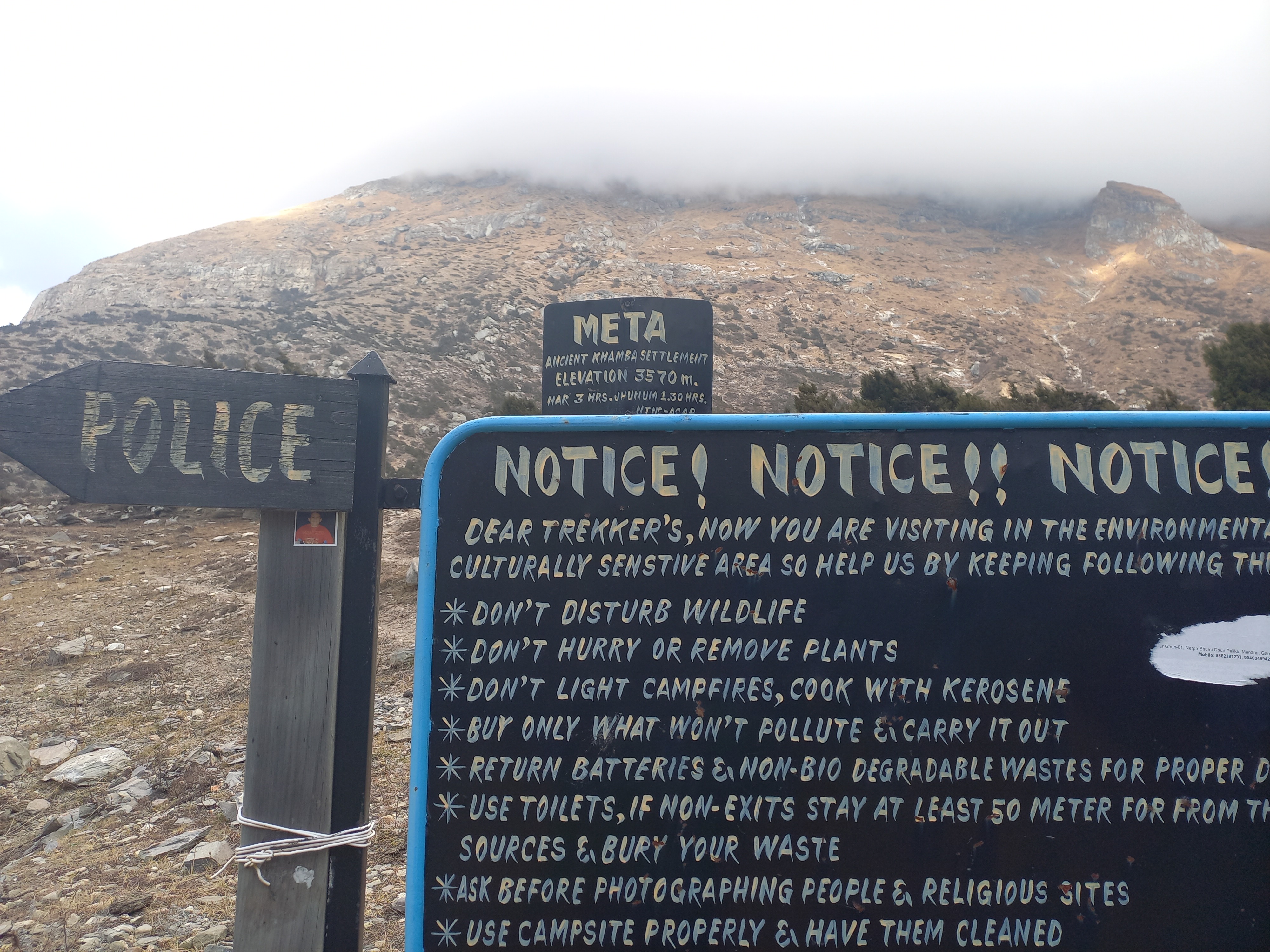
The first major settlement along the trail, Meta (3,560m), welcomes trekkers with traditional stone houses, colorful prayer flags, and breathtaking mountain scenery overlooking the remote Nar Phu Valley.
Perched high above deep canyons and rugged cliffs, Meta offers the first true glimpse into the isolated Himalayan lifestyle of the region. The village reflects a unique blend of Tibetan Buddhist culture and ancient mountain traditions that have remained unchanged for generations. Locals continue to live simple lives centered around yak herding, farming, and seasonal trade routes through the Himalayas.
The journey to Meta is both physically demanding and visually rewarding. As trekkers gain altitude rapidly from Koto, the landscape transforms dramatically from pine forests and narrow gorges into open alpine terrain with panoramic mountain views.
Meta also serves as an important acclimatization point before continuing deeper into the remote valleys of Nar and Phu. Spending additional time here allows trekkers to adapt gradually to the increasing elevation while enjoying the peaceful atmosphere and authentic Himalayan culture of this hidden mountain settlement.
Phu Gaon: The Timeless Fortress Village
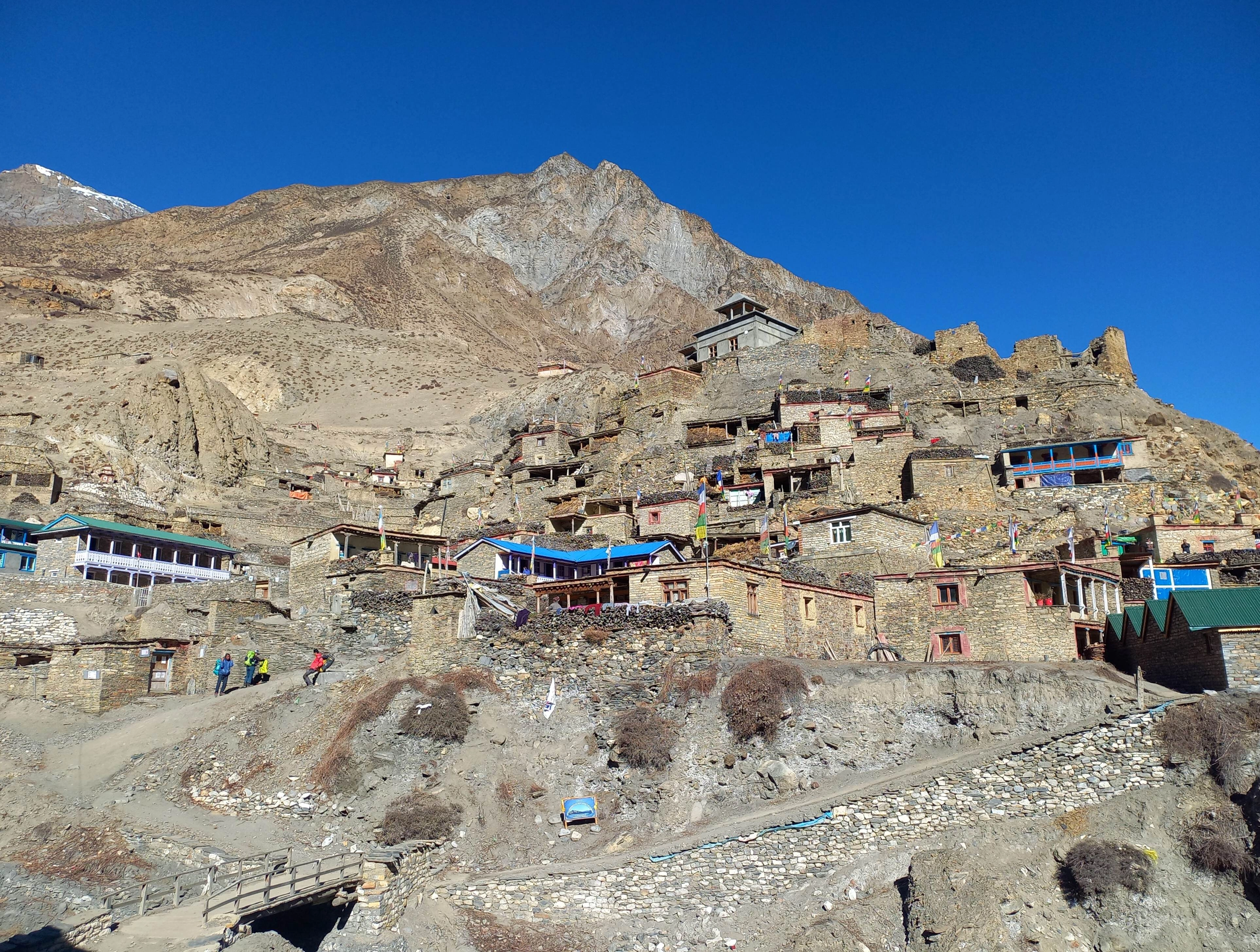
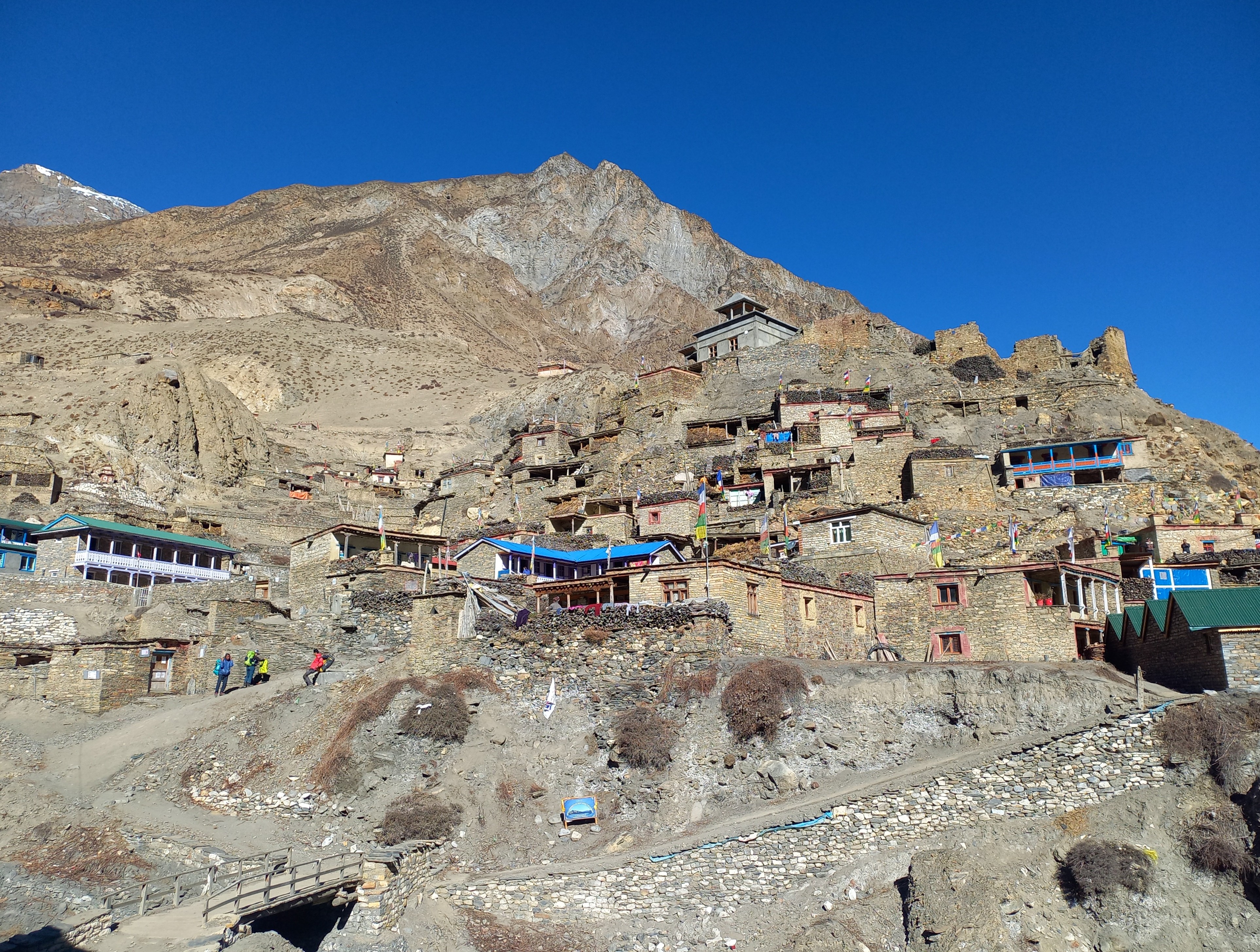
After days of trekking through narrow canyons, barren cliffs, and remote Himalayan landscapes, trekkers finally arrive at Phu Gaon (4,080m), one of the most isolated and culturally preserved villages in Nepal.
Perched dramatically on a rocky hillside above the glacial Phu River, Phu Gaon feels like a hidden fortress untouched by time. Ancient stone houses cluster tightly together beneath towering cliffs while narrow alleyways, prayer walls, and traditional chortens create a powerful atmosphere of old Himalayan civilization.
The village is deeply influenced by Tibetan Buddhist culture, with centuries-old traditions still practiced in everyday life. Dominating the settlement is the historic Tashi Lhakhang Monastery, dramatically built into the surrounding cliffside. The monastery is believed to be one of the oldest Buddhist sites in the region and remains an important spiritual center for the local community.
Inside the monastery, ancient murals, sacred scriptures, prayer halls, and traditional rituals reflect the rich spiritual heritage of the Nar Phu Valley. The peaceful sound of chanting monks, fluttering prayer flags, and the silence of the surrounding mountains make Phu Gaon one of the most unforgettable highlights of the entire trek.
Phu Gaon is not only the cultural and spiritual heart of the Nar Phu Valley Trek, but also one of the last truly authentic Himalayan settlements where traditional mountain life continues largely unchanged for generations.
The Sky Caves of Nar Phu
Hidden high along the cliffs surrounding Phu Gaon are the mysterious Sky Caves of Nar Phu, ancient cave systems carved directly into vertical rock faces centuries ago. These caves are believed to date back more than a thousand years and remain one of the most fascinating archaeological and spiritual features of the entire region.
Originally used as meditation retreats, storage chambers, and ancient burial sites, the caves reflect the deep spiritual and historical heritage of the remote Himalayan valleys. Reaching them often requires steep climbs and exposed trails, adding a true sense of adventure and exploration to the experience.
Inside the caves, visitors may find ancient pottery fragments, Buddhist prayer carvings, meditation chambers, and signs of early Himalayan civilization preserved within the harsh mountain environment. The atmosphere is both mysterious and sacred, offering a rare glimpse into the ancient lives of monks and mountain communities who once inhabited these isolated cliffs.
Key Takeaway
Carry a good headlamp and explore respectfully, as the Sky Caves remain sacred cultural sites for the local community.
Into the High Himalayas: Kang La Pass
Beyond Phu Gaon, the trail climbs deeper into the remote high-altitude wilderness of the Nar Phu Valley. The landscape becomes increasingly dramatic and barren, with rocky terrain, glacial valleys, towering cliffs, and snow-covered Himalayan peaks dominating the horizon.
As altitude increases, the environment transforms into a true Himalayan alpine world where the air becomes thinner and the conditions more challenging. The journey toward Kang La Pass (5,320m), the highest point of the trek, is both physically demanding and incredibly rewarding.
The ascent to Kang La Pass involves steep rocky trails, loose scree sections, and cold mountain winds. However, reaching the summit rewards trekkers with one of the most breathtaking panoramic views in the Himalayas. On clear days, spectacular views of Himlung Himal, Annapurna II, Gangapurna, Tilicho Peak, and countless Tibetan Himalayan ranges stretch endlessly across the skyline.
Crossing Kang La Pass marks the transition from the isolated Nar Phu Valley back toward the Annapurna region, completing one of Nepal’s most remote and unforgettable trekking adventures.
Key Takeaway
Start the Kang La Pass ascent early in the morning to avoid strong afternoon winds and rapidly changing mountain weather conditions.
Nar Village: The Valley’s Hidden Himalayan Settlement
After crossing the challenging Kang La Pass, the trail descends into the beautiful and peaceful settlement of Nar Village (4,110m), one of the most culturally rich villages in the entire Nar Phu region.
Compared to the dramatic cliffs and fortress-like atmosphere of Phu Gaon, Nar feels more open, vibrant, and welcoming. Traditional stone houses are surrounded by barley fields, yak pastures, prayer walls, and colorful Buddhist prayer flags fluttering beneath the Himalayan sky.
The village reflects strong Tibetan Buddhist influence, with ancient monasteries, prayer wheels, and local traditions deeply woven into everyday life. The hilltop monastery above Nar Village offers spectacular panoramic views of the surrounding mountains, especially during sunrise and sunset when the Himalayan peaks glow with golden light.
Nar Village also serves as an important gateway for trekkers and mountaineers heading toward Himlung Himal Base Camp, making it a key stop for both cultural exploration and high-altitude adventure.
Key Takeaway
If time allows, consider adding the Himlung Base Camp side trip for incredible views of the Tibetan Plateau and surrounding 7000m Himalayan peaks.
| Category |
Details |
| Region |
Nar Phu Valley (between Annapurna & Manaslu), Nepal |
| Duration |
14–18 Days |
| Maximum Elevation |
5,320 m (Kang La Pass) |
| Nar Phu Valley Elevation |
4,080 m (Phu Gaon) |
| Difficulty |
Challenging to Strenuous |
| Accommodation |
Basic Teahouses & Tented Camp (for Kang La) |
| Best Seasons |
Spring (April–May) & Autumn (September–November) |
| Permits Required |
Annapurna Conservation Area Permit (ACAP) + Restricted Area Permit (RAP) – approx. $500 |
| Suitable For |
Experienced trekkers, mountaineers, cultural explorers, photographers |
An Enduring Symbol of Authentic Himalayan Trekking
For many years, the Nar Phu Valley Trek remained one of Nepal’s hidden Himalayan secrets, known mostly to experienced mountaineers, expedition teams, and remote trekking enthusiasts. Even today, it remains one of the few trekking routes in Nepal that still offers genuine wilderness, cultural authenticity, and true isolation from the modern world.
Unlike the crowded trails of Everest and Annapurna, Nar Phu delivers a rare sense of exploration where silence, ancient traditions, and untouched landscapes define the journey. Every stage of the trek from the stone fortress villages of Phu and Nar to the dramatic crossing of Kang La Pass offers a powerful combination of adventure, spirituality, and raw Himalayan beauty.
The trek challenges both physical endurance and mental resilience while rewarding travelers with experiences that feel timeless and deeply personal. Ancient monasteries, hidden valleys, high mountain deserts, and centuries-old Tibetan culture create an unforgettable journey unlike anywhere else in Nepal.
For trekkers seeking an off-the-grid Himalayan adventure filled with culture, remoteness, and discovery, the Nar Phu Valley Trek is far more than just a trekking route it is an extraordinary journey into one of the last truly untouched corners of the Himalayas.